Description
Hardware Specifications
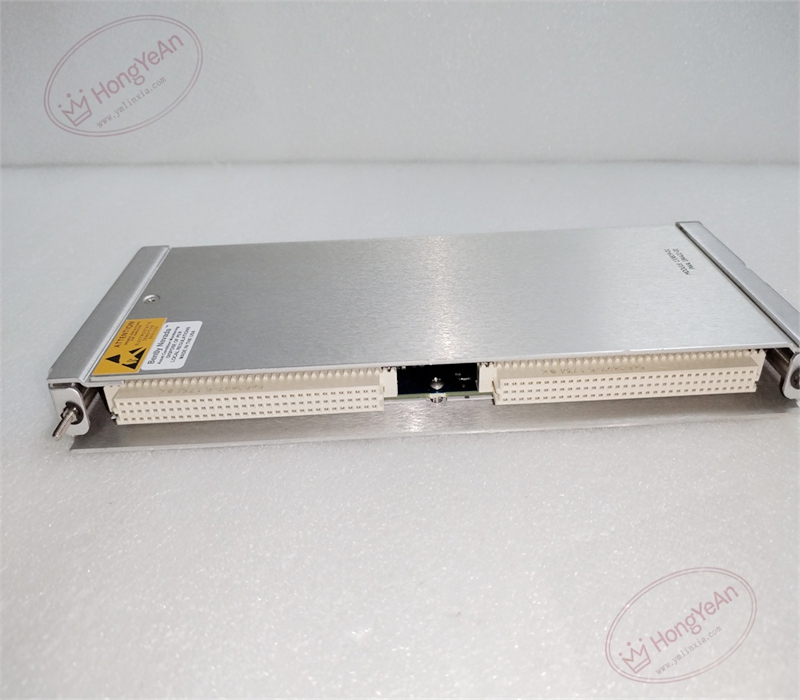
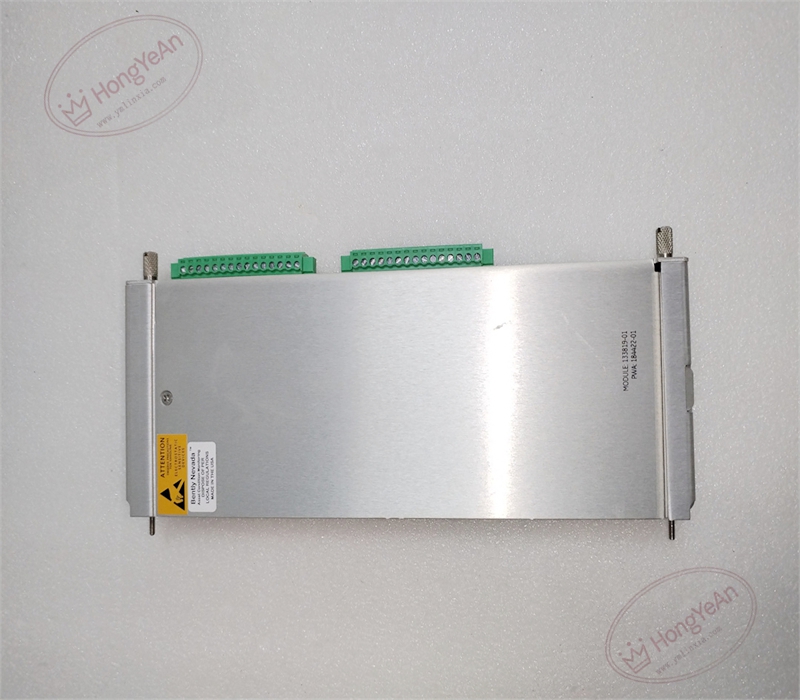
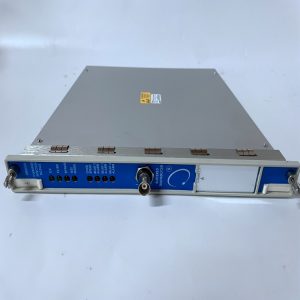
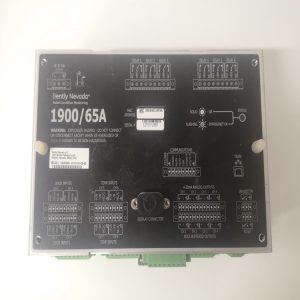
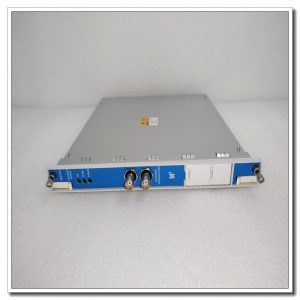
- Part Type: Rear I/O small card, must pair with 3500‑60 front monitor module, cannot operate independently
- Mounting: Installed at rear slot position of 3500‑05 rack, front‑rear separated architecture
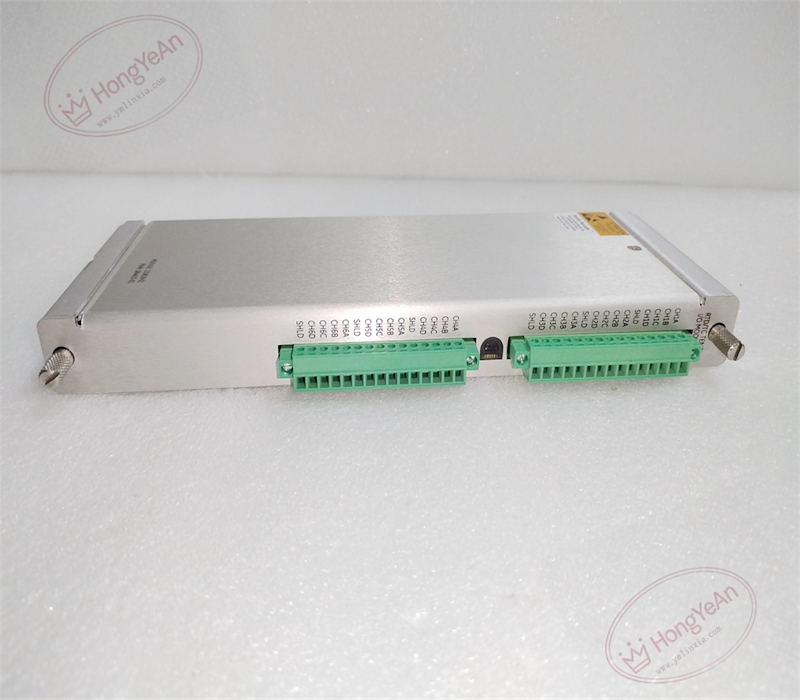
- Termination: On‑board built‑in wiring terminals, no extra terminal block required; supports 6‑channel RTD and TC sensor inputs
- PCB: Conformal‑coated multilayer printed circuit board for harsh industrial environment
- Mechanical: Standard 3500‑series rear small‑card form factor, net weight approx. 0.45 kg
- Environmental: Operating temperature ‑30 ℃ ~ +65 ℃; storage temperature ‑40 ℃ ~ +85 ℃; vibration and shock performance complies with API‑670 machinery protection standard
- Electrical: Non‑isolated temperature signal interface, performs signal routing between field sensors and front‑end processing module, no built‑in signal isolation function.
Core Functions
- Serves as physical wiring interface for 3500‑60 temperature monitor, receives RTD and thermocouple field signals and routes them to the corresponding front‑end processing module.
- Provides 6‑channel signal routing for temperature measurement points, establishes physical signal path between field sensor cables and rack internal backplane bus.
- Supports both RTD and TC input types; channel configuration is completed on front‑end 3500‑60 module, this rear card only implements hardware‑level signal conduction.
- No on‑board microprocessor; all channel diagnosis, alarm logic and threshold processing are executed by paired front‑end monitor module.
- Delivers temperature acquisition for TSI machinery protection system, applied to bearing and stator temperature monitoring of steam turbines, compressors and gas turbines.
Installation Requirements
- Mandatory one‑to‑one slot matching with compatible 3500‑60 front module; mismatched part numbers will result in channel failure or abnormal reading.
- Perform card insertion‑removal under rack power‑off condition. Although the 3500 rack supports hot‑swap for front modules, rear I/O small‑card replacement shall be completed with power cut‑off to avoid signal transient disturbance.
- Ensure proper torque for field wiring terminals; loose connections will cause temperature signal drift, intermittent faults and false alarms.
- Keep adequate cabinet ventilation; avoid direct exposure to corrosive gas, oil mist and conductive dust to prevent PCB trace corrosion and terminal oxidation.
- Verify backplane connector integrity before installation; bent or contaminated pins may lead to partial‑channel loss or unstable communication between front‑rear modules.
Reviews
There are no reviews yet.