Description
Hardware Specifications
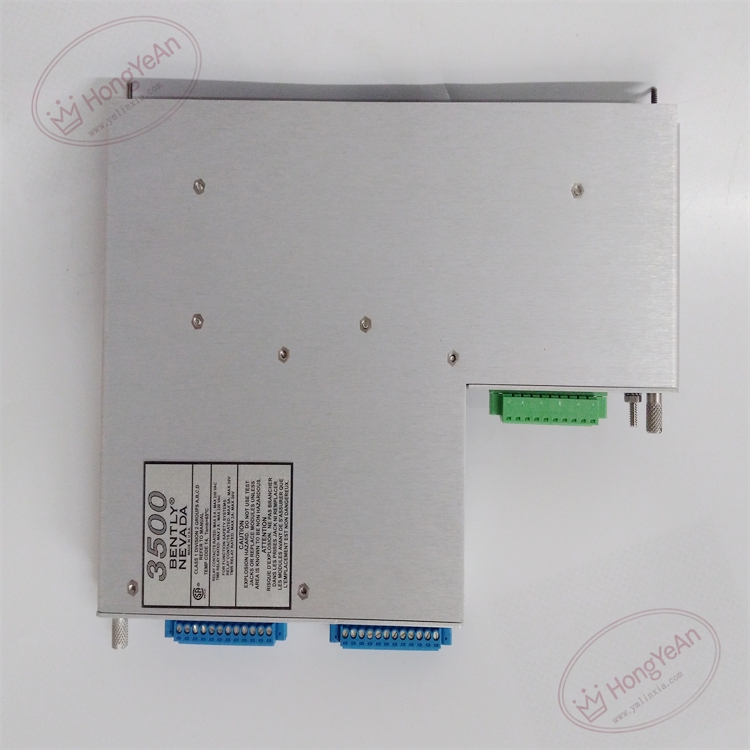
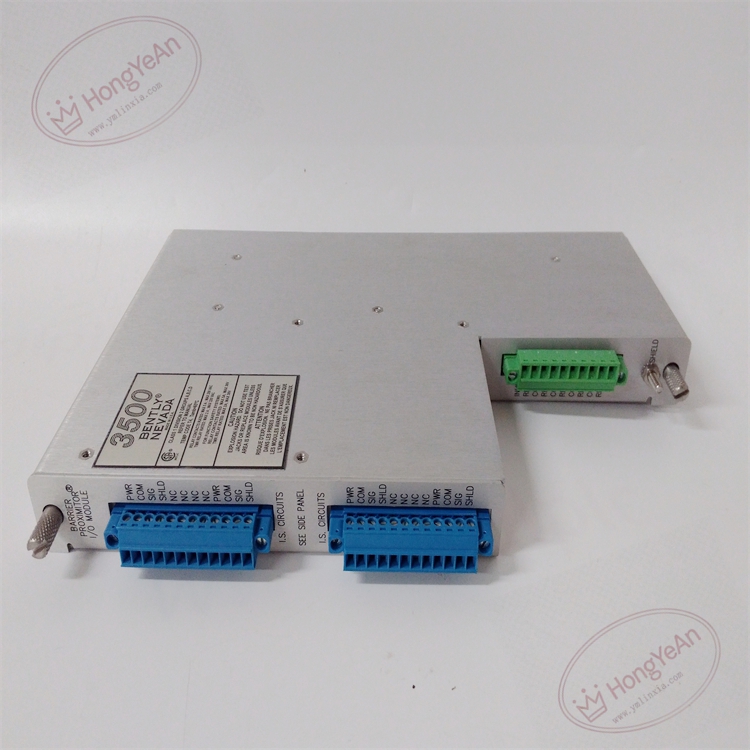
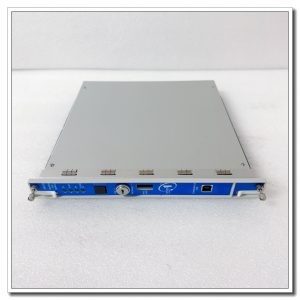
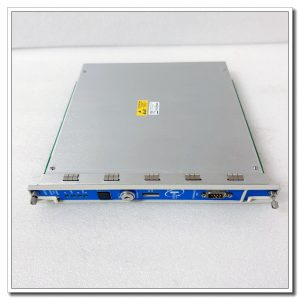
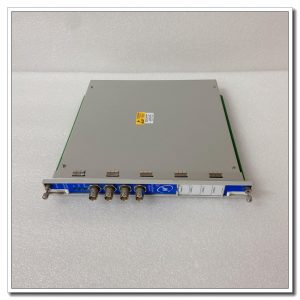
- Part Type: Rear I/O small card with internal intrinsically‑safe barriers, dedicated pairing for 3500‑42M front‑end monitor, standalone operation not permitted
- Mounting: Installed in rear slot directly behind 3500‑42M front module within 3500‑05 rack, front‑rear separated architecture
- Termination: On‑board internal screw terminals; no external terminal block adapter required. 4‑channel multiplexed inputs supporting proximity probes and accelerometer transducers
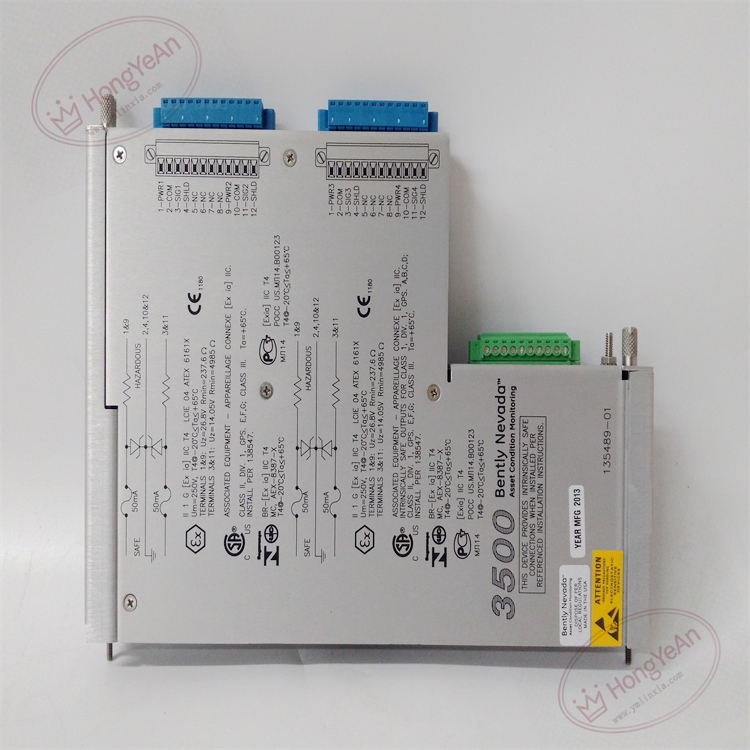
- Safety Feature: Built‑in intrinsic safety barriers for hazardous location field instrument circuits, complies with applicable intrinsic‑safety installation requirements
- PCB: Conformal‑coated multilayer printed circuit board
- Mechanical: Standard 3500‑series rear small‑card form factor, net weight approx. 0.46 kg
- Environmental: Operating temperature ‑30 ℃ ~ +65 ℃; storage temperature ‑40 ℃ ~ +85 ℃; vibration and shock performance complies with API‑670 machinery protection standard
- Electrical: Receives proximitor excitation power and seismic transducer signals from front‑end module; barriers limit voltage/current energy toward field hazardous‑area sensors; no on‑board microprocessor for signal processing.
Core Functions
- Acts as field wiring physical interface for 3500‑42M monitor, distributes intrinsically‑safe excitation power to proximity probes and routes four‑channel proximity and accelerometer sensor signals to paired front‑end processing module.
- Built‑in internal safety barriers restrict electrical energy flowing to field‑side hazardous‑area transducers, enabling installation of proximity and acceleration sensors in classified explosive‑risk zones when properly wired per installation drawing.
- Supports radial vibration, thrust position, eccentricity and acceleration measurement functions; all channel configuration, sensitivity setup, alarm threshold parameters and diagnostic algorithms are implemented on the 3500‑42M front‑end module. This rear card only performs hardware‑level signal routing and energy limiting.
- No local intelligence; all sensor fault detection, signal diagnosis and alarm generation are executed by front‑end monitor, and status information is transmitted to 3500 system host for display.
- Applied for rotating machinery protection on steam turbines, gas turbines and centrifugal compressors, monitoring shaft radial vibration, axial thrust position and casing vibration acceleration.
Installation Requirements
- Mandatory one‑to‑one slot matching with compatible 3500‑42M front‑end module. Mismatched front‑rear part numbers will result in channel reading anomalies, loss of excitation power or failure of intrinsic‑safety protection function.
- Perform insertion‑removal operations under rack power‑off condition. Although front modules support hot‑swap, rear I/O small‑card replacement shall be power‑cut to avoid transient electrical spikes which may damage field transducers or degrade barrier performance.
- Strictly follow intrinsic‑safety wiring specifications for hazardous‑area field cables. Apply proper torque for screw terminals; loose connections will produce vibration reading drift, intermittent signal jumps and false machinery protection alarms.
- Maintain sufficient cabinet ventilation. Avoid direct exposure to corrosive gas, oil mist and conductive dust to prevent PCB trace corrosion and terminal oxidation.
- Inspect backplane connector pins before installation. Bent, contaminated or corroded pins may cause partial‑channel dropout or loss of transducer excitation power.
- Do not modify barrier‑related circuit components; replacement must use identical part number to preserve intrinsic‑safety certification validity.
Common Failure Modes
‑ Terminal oxidation or crimp degradation: intermittent vibration‑value jump, floating measurement readings. ‑ Backplane contact pin damage: partial or total loss of transducer channels, loss of proximitor excitation supply. ‑ Conformal coating damage / PCB trace corrosion: short‑circuit or open‑circuit for individual sensor signal paths, barrier circuit performance degradation. ‑ Mechanical damage during handling: internal trace breakage without obvious surface physical damage; barrier circuit internal component failure caused by electrical overstress.
Reviews
There are no reviews yet.