

Description
Technical background
This board implements signal filtering, surge suppression and channel isolation between field transmitters and main controller boards. It receives 4‑20 mA current signals, voltage‑based measurement signals and RTD temperature sensor inputs from turbine‑mounted instruments, such as pressure transmitters, vibration sensors and temperature measuring elements. Multi‑stage hardware filters are laid out on PCB to suppress high‑frequency interference generated by large‑power equipment inside power‑plant cabinets. Isolation barriers reduce ground‑loop drift between field devices and control‑rack reference potential. Working power is supplied by the Mark VIe rack internal back‑plane power rails. No separate external power‑supply terminal is reserved for this board. Working ambient range: 0 ℃ ~ 60 ℃ inside closed cabinet; storage temperature:‑40 ℃ ~ 85 ℃; humidity 5‑95 % non‑condensing; IP20 protection, indoor cabinet‑mount only. Compatibility reminder: It works with Mark VIe main processor assemblies. Different suffix hardware revisions exist; mismatched hardware variants may cause partial channel reading deviation after direct swap‑out.

Physical construction
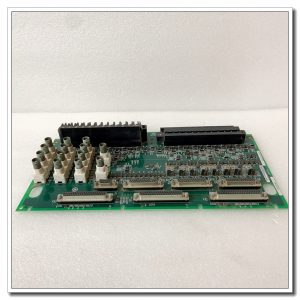
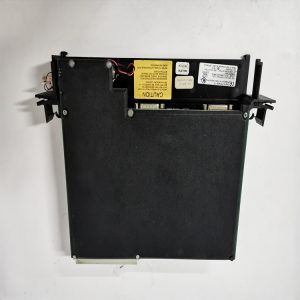
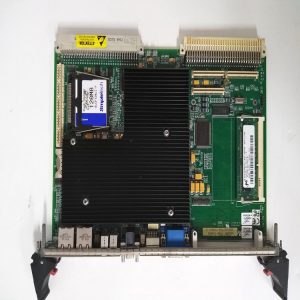
It is a standalone printed‑circuit board designed for installation inside Mark VIe rack slots. Multiple green screw‑type terminal blocks are arranged on one edge of PCB for field‑instrument wiring access. A high‑density D‑sub connector sits on the opposite edge, responsible for high‑speed signal transmission towards the main control processor board. Partial versions integrate on‑board relay components for auxiliary interlock signal routing. Model marking IS200AEADH4ADA is printed on PCB silk‑screen and paper label. Conformal coating is applied over circuit traces for anti‑dust and anti‑moisture performance in industrial cabinet environments.
Real‑world site deployment
It is widely fitted inside control cabinets of thermal‑power plants and combined‑cycle power stations, serving gas‑turbine and steam‑turbine monitoring loops. Field sensor signals are routed onto this terminal board first, then forwarded to core controller for calculation of turbine protection, regulation and interlock logic. If this board suffers partial‑channel damage, corresponding measuring points will turn invalid, potentially triggering turbine protection alarms. When the whole board fails, all relevant analog measuring loops connected to this board lose data feedback. After spare‑part replacement, technicians need to verify terminal wiring correctness, execute channel calibration, cross‑check measured value against actual field instrument reading, and confirm alarm‑threshold logic before returning equipment to service.
Installation & maintenance notes
Carry out rack power‑off operation during board replacement, avoid mechanical scratching of back‑plane connector pins. All field‑side analog signal cables should adopt shielded cables; cable shielding layer requires single‑point grounding inside cabinet. Keep signal wiring apart from high‑voltage power cables to cut down interference impact. Check PCB surface status during regular overhaul. Dust accumulation, condensation and corrosion on PCB traces will easily lead to reading drift or intermittent channel drop‑out. Do not conduct component‑level disassembly and repair on‑site. When permanent circuit damage occurs, replace the whole circuit board.
Typical on‑site fault phenomena
- Several channels show zero‑value or full‑scale overflow: Distinguish between field transmitter failure and board‑side circuit damage; check terminal block loosening or corrosion.
- Signal reading fluctuates randomly: Inspect cable shielding grounding condition; check cabinet ambient temperature and dust accumulation on PCB conformal coating.
- All channels cannot transmit data to main controller: Check high‑density D‑sub inter‑board connector for poor contact.
- Individual channel reports hardware fault: Might be caused by surge impact from field‑side instrument over‑voltage, leads to partial circuit damage on PCB.
-1-300x300.jpg)
Reviews
There are no reviews yet.