

Description
Technical highlights
Equipped with two electrically isolated Profibus‑DP channels, supporting DP‑V0 / DP‑V1 protocol. Each channel can handle up to 126 slave nodes, with baud rate ranging from 9.6 kbit/s to 12 Mbit/s. Integrated hardware self‑diagnosis and line fault detection functions. Compliant with IEC 61508 SIL3 safety standard. Power is supplied through rack backplane bus. Operating ambient: ‑40℃ ~ +70℃; storage temperature ‑40℃ ~ +85℃; humidity 5‑95% non‑condensing; IP20 cabinet‑mount installation only. Compatibility note: It belongs to the older H‑series rack hardware family. Project configuration shall be completed via ELOP‑II engineering software. Firmware revision must keep consistent with the whole rack; mismatched firmware will result in communication breakdown or hardware mismatch alarm.
Physical features
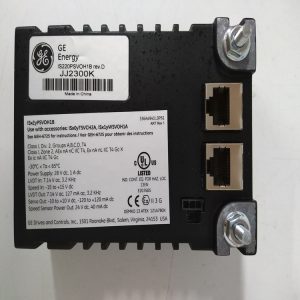
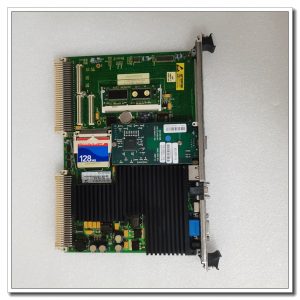
Eurocard‑style plug‑in module for HIMA rack slots. Front panel is equipped with status LED indicators and D‑sub Profibus interface connectors. Rear high‑density connector connects to rack backplane for power supply and internal bus data transmission. Part‑number F8627X is marked on module label. PCB is conformal‑coated for dust and mild corrosive gas resistance in plant cabinet environments.

Site application scenario
Commonly installed in SIS / ESD / BMS safety racks for petrochemical and power‑plant facilities. It operates as Profibus‑DP master node to exchange safety‑related data with remote I/O slaves, field transmitters and actuators. Module failure will interrupt Profibus‑DP bus loop, causing loss of data interaction for all associated slave devices. Under redundant configuration, standby channel will take over operation to prevent full‑system shutdown. After replacement, insert module into assigned slot, verify backplane contact quality, download matching project configuration, configure Profibus baud rate and slave list, confirm bus status and online status of each slave before putting into service.
Installation & maintenance notes
Power off rack before module replacement. Anti‑static protection is required during handling. Avoid scratching pins of rear backplane connector. Standard shielded Profibus‑DP field cable shall be adopted. Termination resistors must be fitted at both ends of the bus segment. Keep bus cables separated from high‑power cables to suppress surge interference. Inspect connector status during routine maintenance. Poor shielding and defective termination resistors will trigger intermittent bus faults. On‑site component‑level repair is prohibited. Replace the complete module when permanent hardware damage occurs.
Common site fault performances
- Partial or all Profibus slaves go offline: Check bus cables and termination resistors, verify baud‑rate configuration.
- Module reports hardware diagnostic alarm: Confirm firmware consistency with CPU, re‑seat the module.
- Intermittent slave drop‑out: Inspect cable shielding performance, cabinet temperature and dust accumulation.
- Module unrecognized by rack system: Check backplane connection status; judge internal circuit damage after eliminating external causes.
-300x300.jpg)
-1-300x300.jpg)
Reviews
There are no reviews yet.