Description
Technical highlights
Adopts 3‑channel lock‑step TMR architecture, 3‑2‑0 fault‑tolerant operation mode. TÜV certified IEC 61508 SIL3 safety level. Equipped with TRINet redundant safety Ethernet ports, multi‑channel serial interfaces, SOE sequence‑of‑event recording with 1 ms time resolution. Supports hot‑swap replacement without re‑downloading project program. Power input: 20‑32 VDC (nominal 24 VDC), supplied by chassis backplane. Operating ambient: 0℃ ~ +55℃; storage‑40℃ ~ +85℃; humidity 5‑95% non‑condensing; IP20 cabinet‑mount only. Compatibility note: Works exclusively with Trusted T8000 series chassis. Firmware revision must match whole rack configuration. Project download is completed via Trusted Toolset engineering software.
Physical features
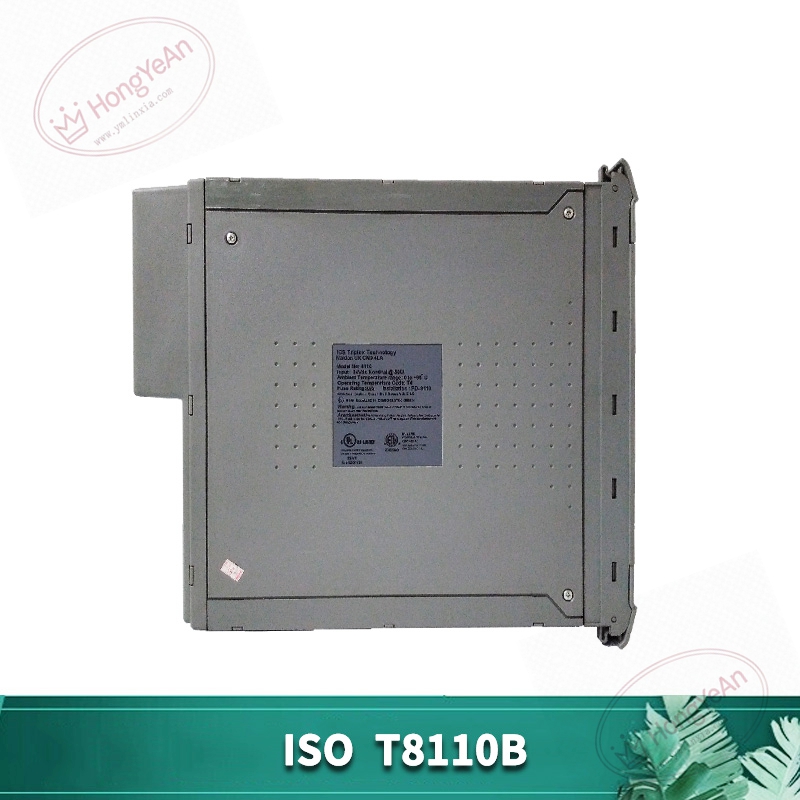
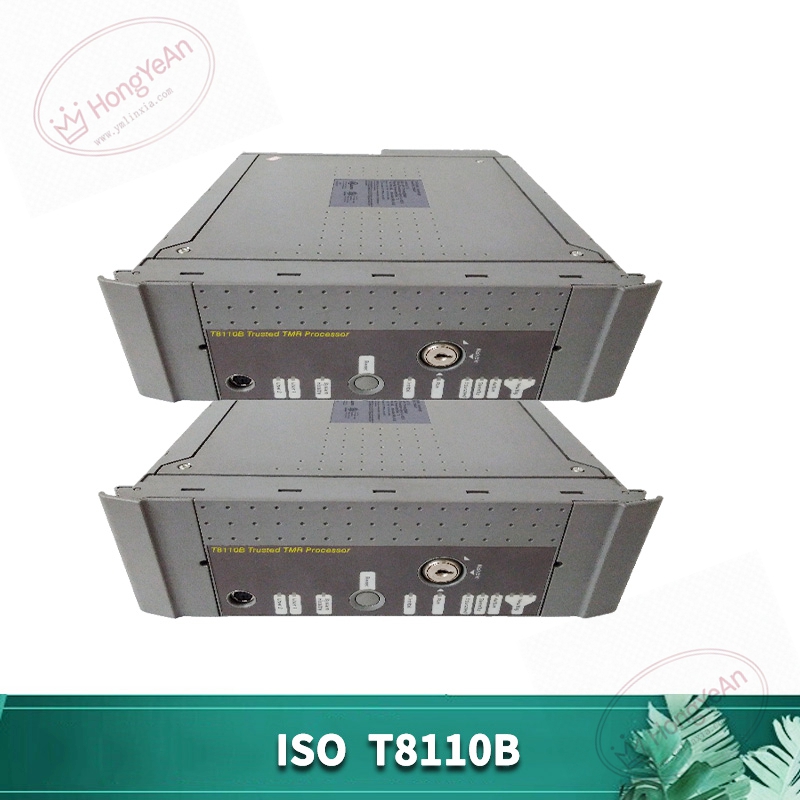
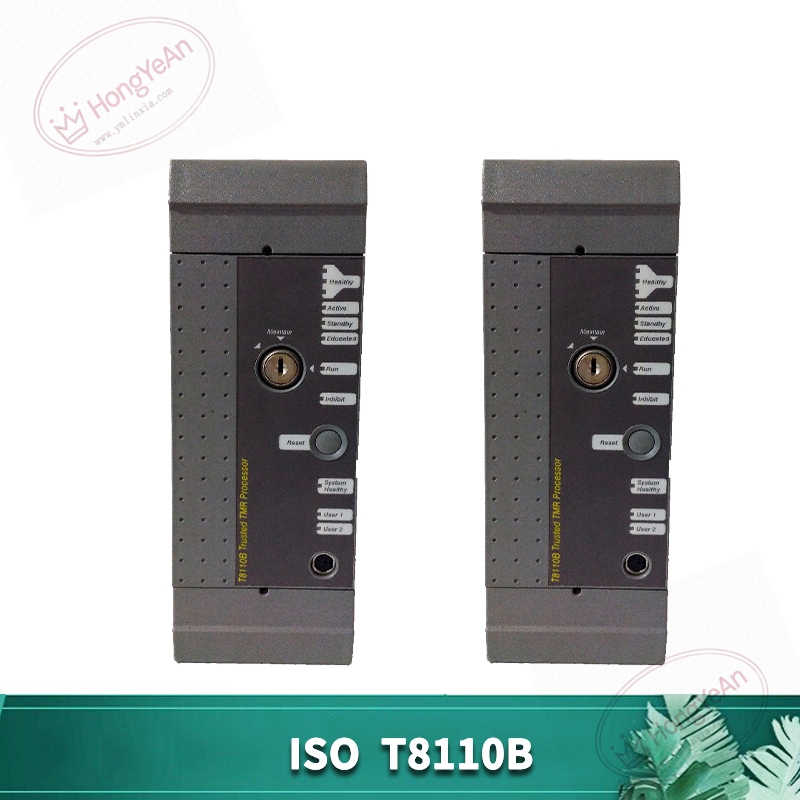
Plug‑in rack‑mount module for Trusted chassis slots. Front panel includes key‑lock switch, multi‑group status LED indicators, Ethernet and serial communication connectors. Rear high‑density connector connects to backplane for power and internal triplex bus data transmission. Part‑number T8110B is printed on module housing label. PCB is conformal‑coated for dust and corrosive‑gas resistance in plant cabinet surroundings.
Site application scenario
Deployed in safety instrument systems for chemical plants and power‑plant facilities. It runs ESD, BMS and HIPPS safety interlock logic, collects field I/O signals and uploads diagnostic & event data to upper monitoring host. Single‑channel internal fault triggers automatic voting isolation, system keeps running. Complete module failure will suspend safety control functions. Under redundant CPU configuration, standby unit will take over control. After replacement, insert module into designated CPU slot, check backplane contact condition, verify firmware consistency, confirm online status and SOE recording function before commissioning.
Installation & maintenance notes
Power off safety rack before replacement. Anti‑static handling is mandatory during module installation. Do not bend rear connector pins. Safety Ethernet cables shall use shielded industrial network cables, keep separated from high‑power cables to reduce electromagnetic interference. Backup complete project archive before hardware swap. On‑site component‑level repair is prohibited. Replace full module when permanent hardware damage occurs.
Common site fault performances
- CPU module fault LED illuminates: Check firmware version consistency, re‑seat module, inspect backplane power quality.
- Communication link breakdown: Verify network cable, IP address setting and Trusted Toolset software‑firmware matching.
- SOE event recording missing: Check time‑sync configuration and module hardware status.
- System reports TMR voting mismatch alarm: Exclude field I/O channel fault, judge internal CPU hardware degradation.
Reviews
There are no reviews yet.