Description
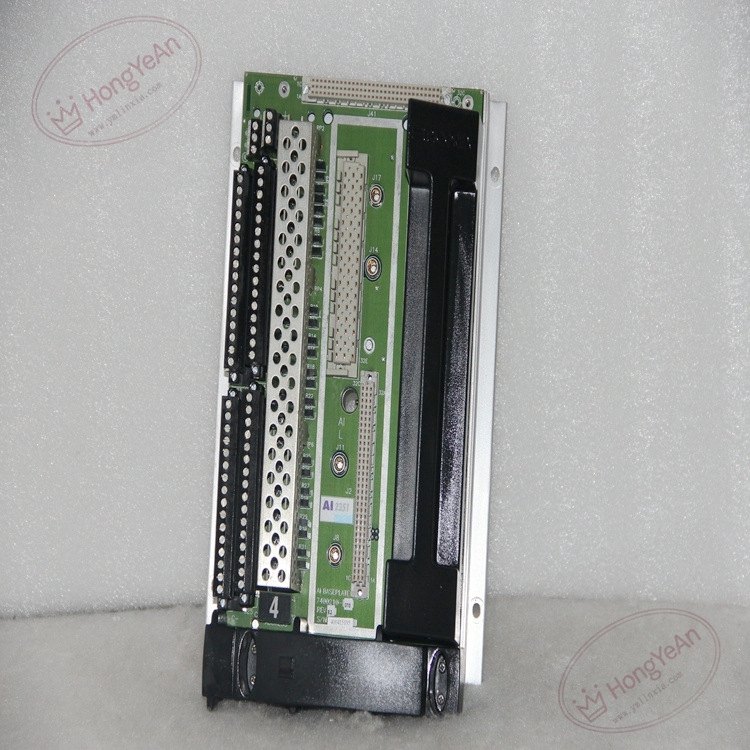
Key Technical Data
- Channels: 8 isolated analog input channels
- Supported signals: 4~20mA, 0~10VDC, RTD temperature signals
- Resolution: 16-bit, measurement accuracy ±0.1% full scale
- Power supply: 24VDC redundant power input
- Isolation rating: 1500V AC channel-to-backplane isolation
- System match: Classic Tricon v9 to v11 TMR platform, installed in main rack slots. Works with matched analog termination panels and dedicated ribbon cables. Not compatible with Tricon CX.
- Ambient condition: Operating -40℃ ~ +70℃; storage -40℃ ~ +85℃; relative humidity 5%–95% non-condensing
- Installation notes: This hot-swappable card supports online replacement without shutting down the whole rack. Configure signal type via programming software before commissioning. Shielded instrument wiring must follow site single-point grounding rules.
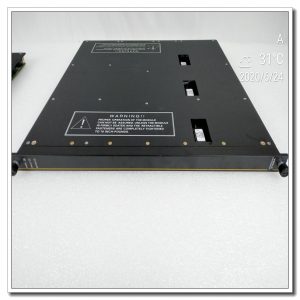
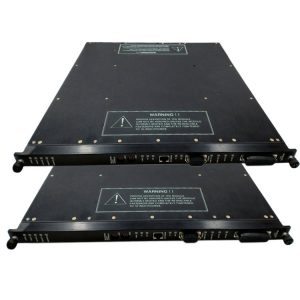
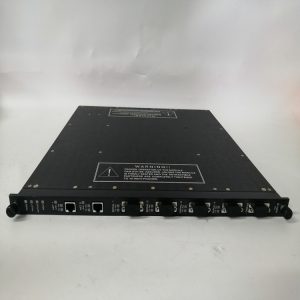
Physical Characteristics Metal front panel with status LED indicators for each redundant branch and channel diagnostics. Gold-plated backplane connectors for rack insertion. Internal three independent signal acquisition circuits for TMR voting. Clear model marking on the card face.
Typical Field Usage This analog input module is widely deployed in oil refineries, petrochemical facilities, gas compressor packages, thermal power plants and offshore platforms. It is used within ESD emergency shutdown, burner control and turbomachinery protection loops. It receives real-time data from pressure, level and temperature transmitters, allowing the safety system to trigger trip actions when process variables cross safety thresholds.
Maintenance Recommendations This safety-critical I/O module runs continuous self-diagnostics for wire break, short circuit and out-of-range conditions.
- Power down related channels before removing or inserting the module. Wear anti-static wristband for all card handling work.
- Check LED status and system diagnostic logs during routine site inspection.
- After module replacement, execute point simulation test to verify every channel reads correctly.
- Keep spare modules on hand. Replace the whole card once internal hardware fails; component-level repair on site is not permitted.
Troubleshooting Guide
- Zero or full-scale reading: Check transmitter power, termination block terminals, cable continuity and wiring polarity.
- Fluctuating measurement value: Check shield grounding quality, loose terminals and electromagnetic interference.
- Out-of-range alarm: Confirm transmitter calibration and range setup; inspect field cable short or open circuit.
- Channel failure after module replacement: Verify hardware configuration download and ribbon cable pin assignment.
- Module fault LED on: Check backplane power and module seating; perform TMR slice health check in software.
Reviews
There are no reviews yet.