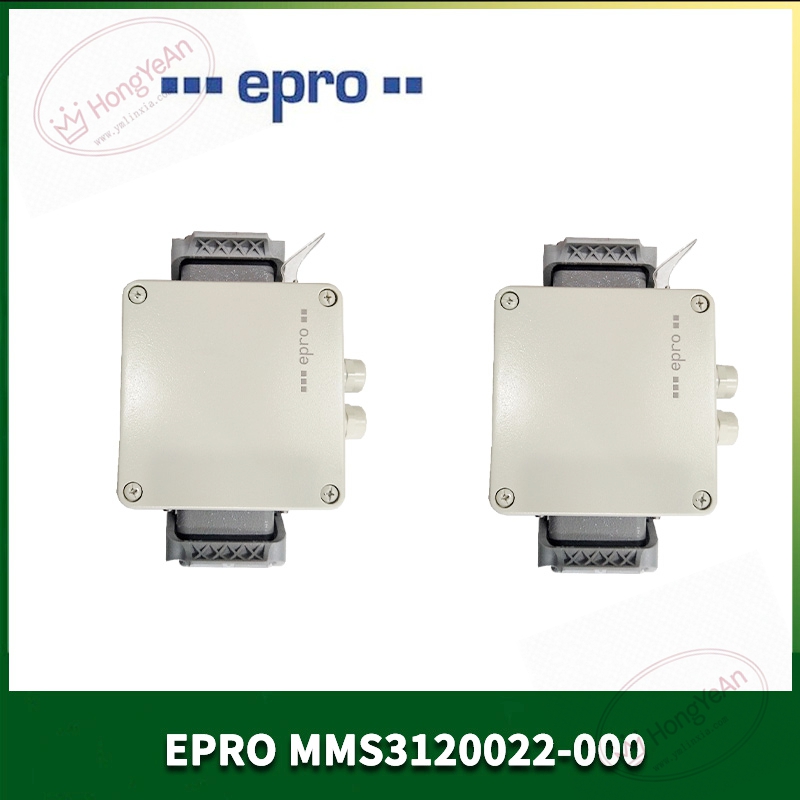
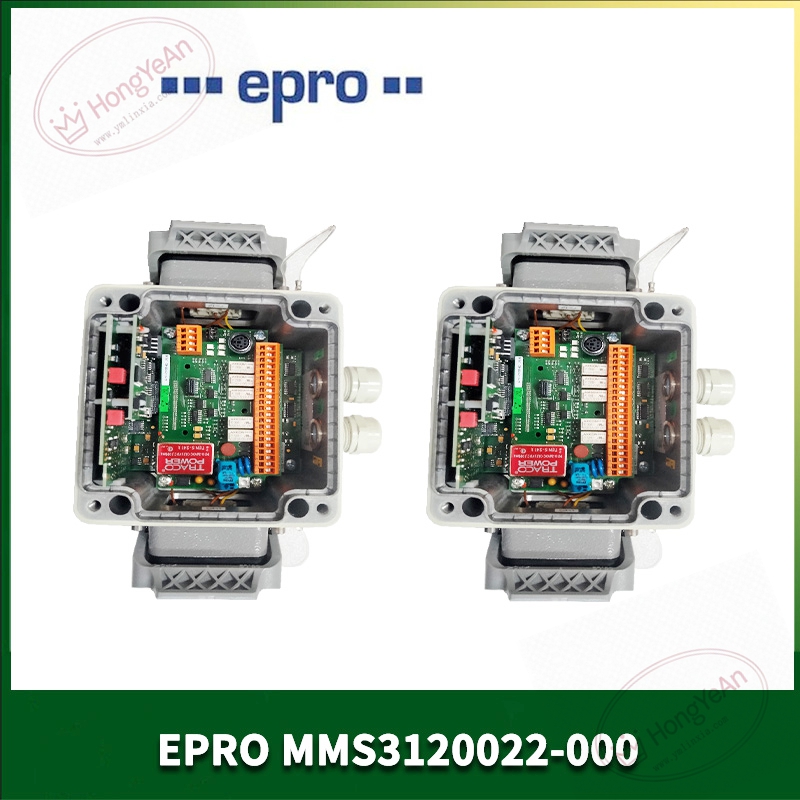
Description
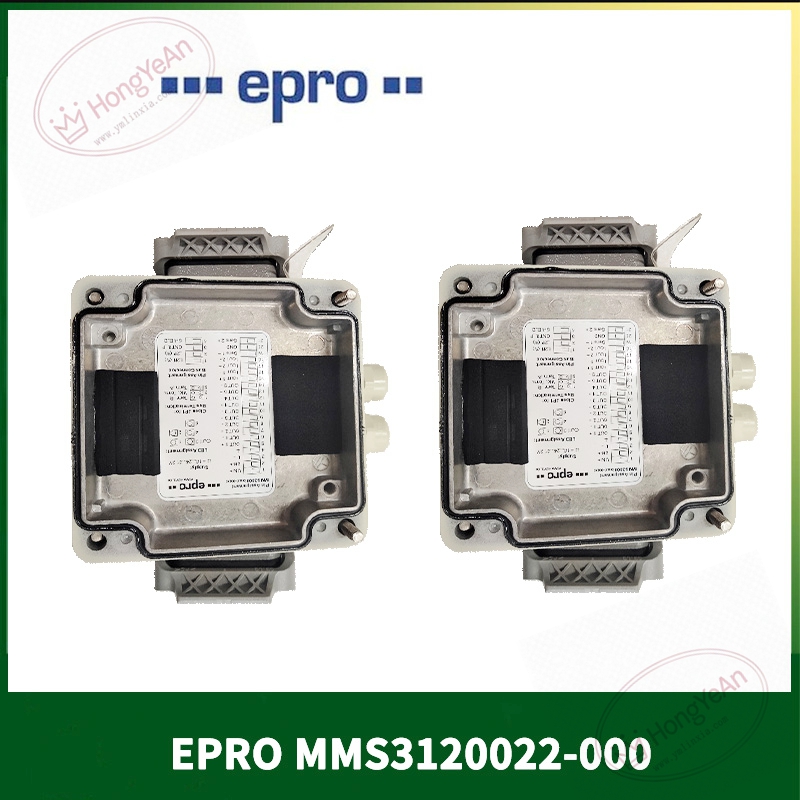
Core performance features
Standard slot‑in module for MMS3000 rack, powered by rack backplane. Dual independent measuring channels for bearing‑housing vibration monitoring. Accepts input from PR9266 piezoelectric vibration sensors or PR642‑series eddy‑current probes. Measuring range can be configured for vibration velocity or displacement. Built‑in hardware self‑diagnosis detects sensor breakage, short‑circuit and signal over‑range. Two‑level alarm setting (warning and danger trip) with relay dry‑contact output. Provides RS232 / RS485 serial communication port for parameter configuration and real‑time data upload to host monitoring system. Password‑protected parameter modification prevents unauthorized setting changes. Supports hot‑swap replacement during rack operation. Redundant power‑supply input improves system reliability. Environmental parameters: operating temperature 0‑60 ℃, IP20, cabinet‑mount installation only. Firmware version must match other MMS3000 series modules.
Physical appearance
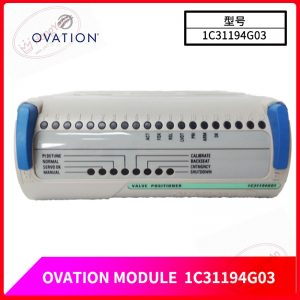
Metal‑framed rack‑insert card for MMS3000 chassis. ‑ Front panel: LED status indicators for power, channel alarm and module fault; locking latch for rack fastening. Model marking: MMS3120‑022‑001. ‑ Rear side: gold‑finger backplane connector for power and internal bus communication. ‑ External signal connection via Harting connector on front edge. No terminal blocks on module itself.
On‑site application scenarios
Deployed in power‑plant and petrochemical machinery‑protection cabinets. It monitors bearing‑housing vibration of large rotating equipment. When vibration exceeds preset threshold, it outputs alarm or trip signals to protect turbine‑compressor units. It serves as spare maintenance part for legacy MMS3000 systems. After replacement, download original configuration parameters, verify channel reading and alarm logic before returning online.
Installation & operating notes
Hot‑swap is available, but avoid frequent plug‑pull while running to protect golden‑finger contacts. Sensor cables must use shielded wiring and keep physical separation from high‑power cables to suppress interference. Confirm firmware consistency within the whole MMS3000 rack. Version mismatch leads to communication failure. Maintain cabinet ventilation. Dust and high temperature cause intermittent measuring drift. Complete‑unit replacement is required for hardware faults; component‑level repair is forbidden.
Common field phenomena & disposal thoughts
- All LED indicators stay dark after power‑on: Check rack backplane power supply. Re‑seat module. If power is normal, internal hardware damage is suspected.
- Fixed reading / no vibration variation: Inspect sensor cable for open‑circuit or short‑circuit. Check sensor installation condition. Verify measuring‑range configuration.
- Random vibration value jumping: Check cable shielding grounding. Rule out vibration‑induced poor connector contact.
- Module communication offline alarm: Re‑lock module in slot. Clean dust and oxidation on backplane contacts. Confirm firmware revision compatibility.
-300x300.jpg)
-300x300.jpg)
Reviews
There are no reviews yet.